


Cohn Lecture: Vibrant Inscriptions: Tattoos as Artistic Expression and Psychic Phenomena in
Psychoanalysis
Presenters: Nikki Karalekas, PhD, LCSW
Date(s): Nov. 12, 2026
Time: 7:30-9:00 PM
Sessions: 1
Credits: 1.5
Level: All Levels
Price: $62 (with credits), $25 (without credits)
Hybrid
Click Here to Register!
Description
Through an extended case study of a tattoo artist in psychoanalytic treatment, this lecture explores tattooing as a legitimate artistic expression. This point of departure shifts the psychoanalytic perspective away from viewing tattoos as a pathological and masochistic external solution to internal unconscious conflicts. What emerges is a dynamic perspective on tattoos, viewing them as part of patients’ creative fantasies and defenses. This imbues tattoos with the capacity to change over time, rather than viewing them as permanently inscribed on a statically conceived body and psyche.
Course Objectives
- Describe and assess the historical psychoanalytic perspective on tattoos as psychopathological expressions of masochism and repetition compulsion.
- Identify and critique the remnants of this psychopathological perspective on tattoos within current clinical work, given the broader cultural proliferation and normalization of tattoos in the population.
- Use a case study of a psychoanalytic treatment of a tattoo artist to theorize tattoos as dynamic and creative manifestations of patients’ aesthetic practices that simultaneously reveal and defend against unconscious aspects of the body and mind.
References
- Buss, L., & Hodges, K. (2017). Marked: Tattoo as an Expression of Psyche. Psychological Perspectives, 60(1), 4–38. https://doi.org/10.1080/00332925.2017.1282251
- Csekő, C., Csekő Szél, A., & Bodor, P. (2024). Living with and living by tattoos – discursive analysis of a bodily practice. European Journal of Psychotherapy & Counselling, 26(3–4), 391–410. https://doi.org/10.1080/13642537.2024.2362652
- Miller, K. D. M. (2020). Working Clinically With the Skin’s Surface: Tattoos, Scars, and Gendered Embodiment. Studies in Gender and Sexuality, 21(3), 143–154. https://doi.org/10.1080/15240657.2020.1798188
About the Presenter
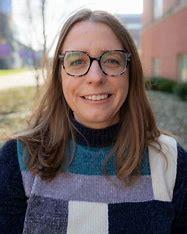
Nikki Karalekas is an advanced candidate in the adult psychoanalytic program at the St. Louis Psychoanalytic Institute. She is a clinical social worker in private practice. She also holds a PhD in Women’s, Gender, and Sexuality Studies from Emory University. She has a special interest in humanizing underground and so-called deviant communities, including tattoo artists, drug addicts, and sex workers.
Credit Information
 In support of improving patient care, this activity has been planned and implemented by the American Psychoanalytic Association and the St. Louis Psychoanalytic Institute. The American Psychoanalytic Association is jointly accredited by the Accreditation Council for Continuing Medical Education (ACCME), the Accreditation Council for Pharmacy Education (ACPE), and the American Nurses Credentialing Center (ANCC), to provide continuing education for the healthcare team.
Credits Available
- Physicians: 1.5 Credits
- Psychologists: 1.5 Credits
- Social Workers: 1.5 Credits
- PAs: 1.5 Credits
- Nurses & NPs: 1.5 Nursing Contact Hours
- Pharmacists/Pharmacy Technicians: 1.5 Credits. Pharmacists must claim credits within 30 days and provide their eProfile ID and Birthdate. APsA will not report credits claimed after 30 days or with incomplete information.
- Interprofessional Continuing Education (Counselors, NPs, students): 1.5 Credits
Other Profession Types
Other profession types will receive a certificate of attendance upon completion of the activity and online evaluation confirming their participation. Participants may claim credit for recertification; however, their professional organization/institute holds the final say on which accredited activities they accept.
Disclosure Statement
None of the planners and presenters for this educational activity have relevant financial relationship(s)* to disclose with ineligible companies* whose primary business is producing, marketing, selling, re-selling or distributing healthcare products used by or on patients. There is no commercial support for this activity. APsA verifies that all materials generated by AI are accurate, including cited publications and posttests.
COUNSELORS: The St. Louis Psychoanalytic Institute has been approved by NBCC as an Approved Continuing Education Provider, ACEP No. 5953. Programs that do not qualify for NBCC credit are clearly identified. The St. Louis Psychoanalytic Institute is solely responsible for all aspects of the programs.
*Financial relationships are relevant if the educational content an individual can control is related to the business lines or products of the ineligible company. — Updated December 2022