


Paul A. Dewald Lecture: Illness in the Analyst—Thirty Years Later?
Presenter: Harvey Schwartz, MD
Date: Sept. 26, 2026
Time: 11:00 AM-12:30 PM
Credits: 1.5
Fee: $62 (with credit), $25 (without credit)
Advanced
Virtual
Registration for this program is now closed.
Course
A presentation of an analyst’s illness and how he understood and addressed it when it occurred over 30 years ago; and how he has reconsidered it in face of greater clinical and life experience. Dr. Schwartz discusses his reflections on his original thinking and shares how he engages around it currently.
Course Objectives
At the end of this lecture, participants will be able to:
- Describe how their patients will be cared for in the event of their illness or death.
- List various ways one shares with patients about the particulars of one’s illness.
- Describe the impact of a clinician’s disabling experiences on colleagues.
References
- Fitzgerald, K. (2026) My Analyst has Dementia, I Might Need a Donut. Psychoanalytic Inquiry 46:783-790
- Bacchi, C. & Narayanan, A. (2025) Report on Panel “Serious Trauma and Life-Threatening Illness in the Analyst: Reclaiming Anchorage in Life and Work”, Lisbon, 2025. International Journal of Psychoanalysis 106:1253-1255
- Pickles, P. (2022) Retirement, Illness and Death of the Analyst. British Journal of Psychotherapy 38:371-384
- Mercer, M. (2020) The empty couch: the taboo of ageing and retirement in psychoanalysis: edited by Gabriele Junkers, London and New York, Routledge, 2013, 186 pp., £32.99 (paperback), ISBN: 978-0-415-59862. International Journal of Psychoanalysis 101:224-227
- Slade, D. L. (2019) OH NO, NOT AGAIN: CHRONIC ILLNESS IN AN ANALYTIC PRACTICE AND THE CO-CREATION OF ATTACHMENT NARRATIVES. Psychoanalysis, Self, and Context 14:445-460
- McWilliams, N. (2017) Psychoanalytic Reflections on Limitation: Aging, Dying, Generativity, and Renewal. Psychoanalytic Psychology 34:50-57
About the Presenter
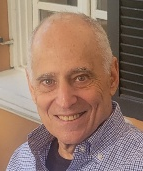 Harvey Schwartz, MD, is a Training and Supervising Analyst at the Psychoanalytic Association of New York and the Psychoanalytic Center of Philadelphia, and host of the IPA podcast Psychoanalysis On and Off the Couch.
Continuing Education Credits
 In support of improving patient care, this activity has been planned and implemented by the American Psychoanalytic Association and the St. Louis Psychoanalytic Institute. The American Psychoanalytic Association is jointly accredited by the Accreditation Council for Continuing Medical Education (ACCME), the Accreditation Council for Pharmacy Education (ACPE), and the American Nurses Credentialing Center (ANCC), to provide continuing education for the healthcare team.
Credits Available
- Physicians: 1.5 Credits
- Psychologists: 1.5 Credits
- Social Workers: 1.5 Credits
- PAs: 1.5 Credits
- Nurses & NPs: 1.5 Nursing Contact Hours
- Pharmacists/Pharmacy Technicians: 1.5 Credits. Pharmacists must claim credits within 30 days and provide their eProfile ID and Birthdate. APsA will not report credits claimed after 30 days or with incomplete information.
- Interprofessional Continuing Education (Counselors, NPs, students): 1.5 Credits
Other Profession Types
Other profession types will receive a certificate of attendance upon completion of the activity and online evaluation confirming their participation. Participants may claim credit for recertification; however, their professional organization/institute holds the final say on which accredited activities they accept.
Disclosure Statement
None of the planners and presenters for this educational activity have relevant financial relationship(s)* to disclose with ineligible companies* whose primary business is producing, marketing, selling, re-selling or distributing healthcare products used by or on patients. There is no commercial support for this activity. APsA verifies that all materials generated by AI are accurate, including cited publications and posttests.
COUNSELORS: The St. Louis Psychoanalytic Institute has been approved by NBCC as an Approved Continuing Education Provider, ACEP No. 5953. Programs that do not qualify for NBCC credit are clearly identified. The St. Louis Psychoanalytic Institute is solely responsible for all aspects of the programs.
*Financial relationships are relevant if the educational content an individual can control is related to the business lines or products of the ineligible company. — Updated December 2022