


Fall Lectures and Seminars (2026)
Windows
Presenters: Stuart Ozar, MD; Juliana Varela, MSW, LCSW
Date(s): Oct. 7, 14, 21, 28, Nov. 4, 11, 18, 2026
Time: 7:00-9:00 PM
Sessions: 7
Credits: 14
Level: Beginner
Price: $100 (book not included)
Hybrid
Click Here to Register!
Description
For clinicians or mental health students who are curious about what it is that psychodynamic therapists actually do, we offer a “window” into the process and a chance to connect an introduction to theory with actual clinical material. Each class will begin with a brief theoretical description of a core clinical concept, followed by the presentation and discussion of material from a long-term psychotherapy process. We welcome lively discussion, dialogue, and debate.
Course Objectives
Session 1: The Goals of Psychodynamic Psychotherapy:
Students will be able to describe the value and rationale of psychodynamic approaches to psychotherapy in regard to therapeutic effectiveness as well as the fulfillment of professional and personal ambitions of therapists.
Session 2: The Initial Assessment and the Beginning of a Treatment Relationship:
Students will be able to describe the optimal setting for beginning a treatment relationship and the range of observable data that the therapist gathers about the people seeking emotional and psychological help.
Session 3: Models of the Mind: How We Make Sense of the Data We Gather:
Students will be able to describe and discuss the theories and hypotheses that help to organize and make sense of the data therapists observe.
Session 4: Learning to Listen and to Hear:
Students will be able to articulate better the language of the unconscious and how developing tools for listening and hearing helps both patients and therapists.
Session 5: Resistance and Defense:
Students will be able to describe and discuss the obstacles in the way of self-knowledge as they appear in the middle phase of treatment.
Session 6: Transference and countertransference:
Students will be able to describe and discuss the impact of the patient and therapist’s emotional world on the therapeutic relationship and the use made of that encounter for therapeutic gain.
Session 7: Therapeutic Tools and the Treatment Process:
Students will be able to describe the full range of interventions, verbal and nonverbal, that promote growth, healing, and self-discovery.
References
- Divino, C.L. Moore, M.S. (2010). Integrating Neurobiological Findings into Psychodynamic Psychotherapy Training and Practice. Psychoanal. Dial., 20(3):337-355.pdf
- Cabaniss, D., Cherry, S., Douglas, C., Schwartz, A. (2017) Psychodynamic Psychotherapy: A Clinical Manual, 2nd Ed., Chichester, West Sussex, UK and Hoboken, NJ, Wiley-Blackwell, John Wiley and Sons, Ltd.
- McWilliams, Nancy. (2011). Suggested Diagnostic Interview Format. In Psychoanalytic Diagnosis (pp. 359-361). New York: Guilford Press.
- Shedler, J. (2022) That Was Then, This is Now: Psychoanalytic Psychotherapy for the Rest of Us. Contemporary Psychoanalysis 58:405-437
About the Presenters
Dr. Stuart Ozar, a psychiatrist and psychoanalyst, is the former President of the Faculty of the St. Louis Psychoanalytic Institute, who has taught extensively in the Analytic Training Program. He is currently the Medical Director of the Scheile Clinic, a low fee community psychotherapy clinic providing training for practicum students and licensure track therapists. He has co-taught the Windows in Psychotherapy Course for over 30 years.
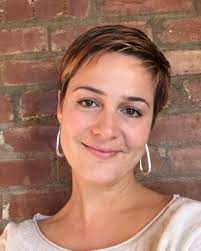
Juliana Varela is an Advanced Candidate at St. Louis Psychoanalytic Institute. People seek therapy for variety of reasons, ranging from difficulties with a specific life event or a general pursuit for greater purpose and connectedness. Psychotherapy offers an arena for self exploration unlike any other and can prove to be a profoundly moving experience. Juliana Varela works with individuals affected by trauma, difficulties in relationships, depression/post-partum depression, infertility, adoption, parenting, struggles in cultural adaptation and immigration, identity, self-esteem, sexuality, etc. Often she finds that the most meaningful change comes from those who are open and willing to engage in the journey. The change you seek comes from you and will be our guiding force.
Varela’s work pivots around the basic premise that in order to reach a deeper understanding of oneself and grow through challenges, a space of safety and respectful reflection must be attained. She aims to define a unique relationship where together we can nurture curiosity and harvest increasingly satisfying ways for you to live your life.
CONTINUING EDUCATION CREDITS
PSYCHOLOGISTS: St. Louis Psychoanalytic Institute is approved by the American Psychological Association to sponsor continuing education for psychologists. St. Louis Psychoanalytic Institute maintains responsibility for this program and its content.
COUNSELORS: The St.Louis Psychoanalytic Institute has been approved by NBCC as an Approved Continuing Education Provider, ACEP No. 5953. Programs that do not qualify for NBCC credit are clearly identified. The St. Louis Psychoanalytic Institute is solely responsible for all aspects of the programs.
SOCIAL WORKERS: The Missouri State Committee for Social Workers (reference Code of State Regulations 2263-2.082) accepts continuing education hours approved by the American Psychological Association. For information on instructor(s) and their credentials, please visit stlpi.org or call us at 314-361-7075.